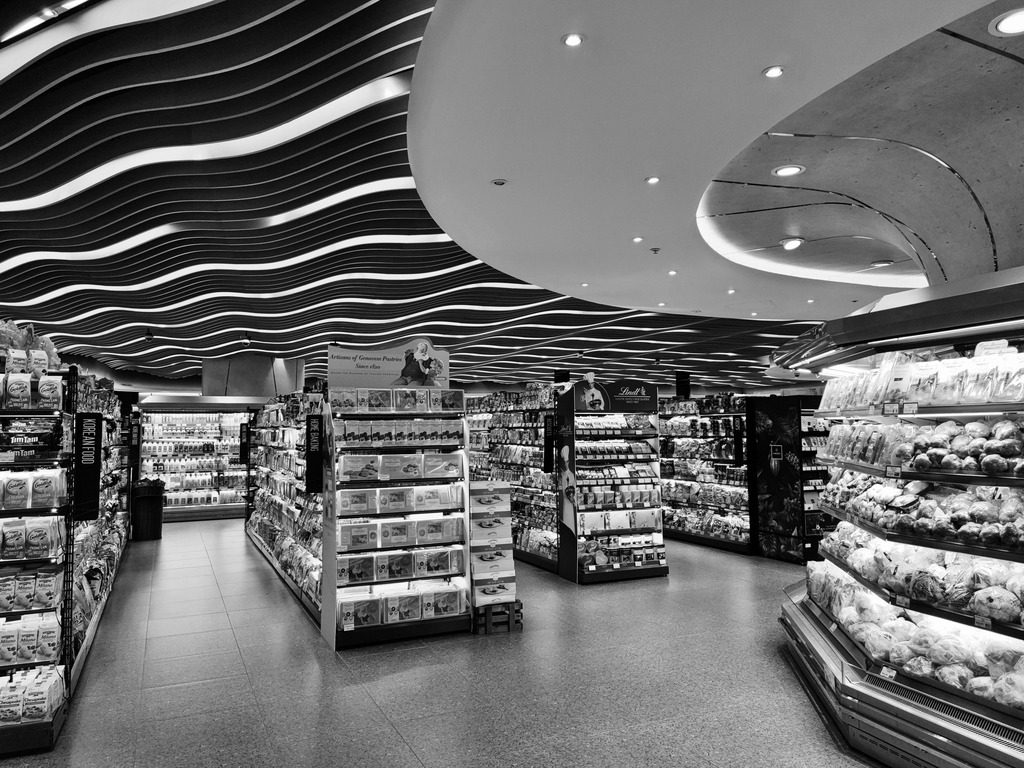
Buyers acknowledge quality and potential. The product fits.

Initial interest triggers sampling and price negotiations.

Lack of supply chain integration halts the listing process.
Most exports stall here. Not because of price, but because of process.
Retailers do not buy products; they buy reliability. Without a structured fulfillment architecture, the door closes as fast as it opened.
Real access means understanding:
• How decisions are made inside each market
• Who carries risk — and who controls volume
• What timing, data, and proof are required
We work upstream of negotiations, aligning:
• Product readiness
• Buyer expectations
• Commercial and operational constraints

We don’t apply a universal export playbook.
Market access is shaped by:
• Channel dynamics (retail vs foodservice vs distribution)
• Local purchasing logic
• Volume thresholds and price sensitivity
• Regulatory and operational frameworks
Our role is to translate these rules into clear entry conditions for producers — before engagement begins.

Our work is concentrated in markets where structure, scale, and decision logic define access:

Highly structured buyer environments, strict entry criteria, and data-driven evaluation processes.

Volume-led markets, centralized buying power, and program-based sourcing models.

Where access depends on alignment between producers, buyers, and long-term commercial frameworks.
Access must be sustainable, scalable, and repeatable — or it is not access at all